

General information, not a diagnosis or personal treatment plan. For urgent symptoms, seek emergency medical care rather than using an appointment form.
Sudden confusion or abrupt neurological changes need urgent medical assessment. Do not assume a new, sudden problem is dementia.
Understanding this concern
Memory problems do not necessarily mean dementia. Dementia describes a group of symptoms affecting abilities such as memory, thinking and daily activities.
Symptoms to discuss
- Ongoing memory difficulties
- Changes in thinking or communication
- Difficulty managing familiar daily activities
How it may be evaluated
Assessment may include discussion of symptoms and daily functioning, medication review, physical examination, cognitive tests and selected investigations to consider other causes.
Investigations are selected for the individual. Contact the clinic to confirm where any prescribed imaging can be arranged.
Treatment & support
Management depends on the cause. A diagnosis can help people and families access appropriate treatment, support and future planning.
When to seek help
Seek an assessment for persistent memory changes or concerns about daily functioning. Someone who knows you well may help describe changes.
At Hyderabad Neuro Centre
Memory loss (cognitive neurology) is listed among the clinic’s specialties. Ask about appointment availability and whether a caregiver should attend.
Meet Dr. Gautham GundaboluMake the consultation useful for you
Organize the information you want to discuss. The following prompts can help you prepare questions without choosing a diagnosis or treatment yourself.
- Examples of changes noticed by you or someone who knows you well.
- The daily activities you would like help discussing.
- Ask whether a family member should attend and how findings will be explained.
Ask the clinic about fees, appointment length and any documents required. See the first-consultation guide for practical planning.
Memory concerns in KPHB: plan your next step
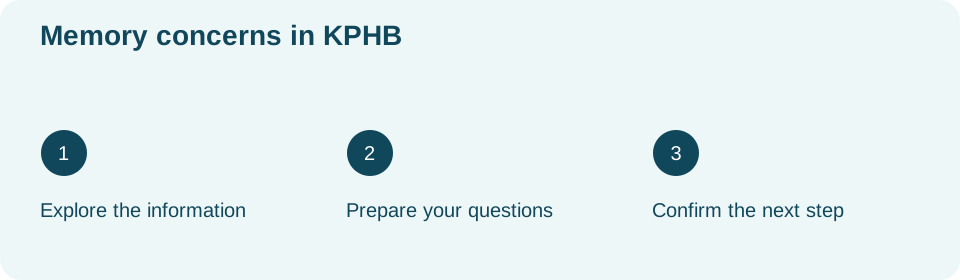
Use concrete examples of change
For a memory or thinking concern, describe examples that prompted the enquiry and explain whether they represent a change from the person’s usual abilities. Bring questions about communication, routines and everyday tasks. A relative may have useful observations, but the person being assessed should be involved in the conversation as fully as possible. A concern about memory is not itself a diagnosis of dementia.
Plan a comfortable conversation
When booking, ask how a caregiver can participate and whether any communication assistance can be arranged. Note questions the patient wants answered separately from the caregiver’s questions. Bring existing reports and a current medication list if available, and ask staff what documents they require. The website does not establish the duration or format of cognitive testing at the clinic.
Leave with questions clarified
Ask what has been understood so far, whether further assessment is proposed and how a follow-up discussion should be arranged. Written reminders of agreed questions may be useful for the family. The information here does not replace an individual assessment, and sudden confusion needs urgent attention rather than being assumed to be part of a longstanding memory problem.
Sources & content status
Prepared 7 November 2026.
- NHS: What is dementia? (opens in a new tab)
- NHS: Dementia assessment (opens in a new tab)
- Clinic specialties
Clinical information describes general care. A listed treatment or investigation is not a claim that every option is available at this clinic.