
Understand your concerns
Neurological conditions in KPHB
Explore neurological conditions in KPHB through plain-language guides to symptoms, assessment and the next step for a consultation.
Browse neurological condition guides
Headache & migraine
Explore this concernStroke & follow-up
Explore this concernEpilepsy & seizures
Explore this concernMovement disorders
Explore this concernMemory & cognition
Explore this concernNerve & muscle concerns
Explore this concernVertigo & balance
Explore this concernNeck & lower-back pain
Explore this concernSleep problems & insomnia
Explore this concernChronic pain syndromes
Explore this concernNot sure which concern fits?
You do not need to choose a diagnosis to arrange a consultation. Tell the clinic what you would like help with.
Contact the clinicEvaluation & support
Learn about services and tests.
Consultation, EEG, NCS/RNS, EMG, physiotherapy and other services are listed by the practice. A clinician can advise what is appropriate.
Explore services & testsNeurological conditions in KPHB: plan your next step
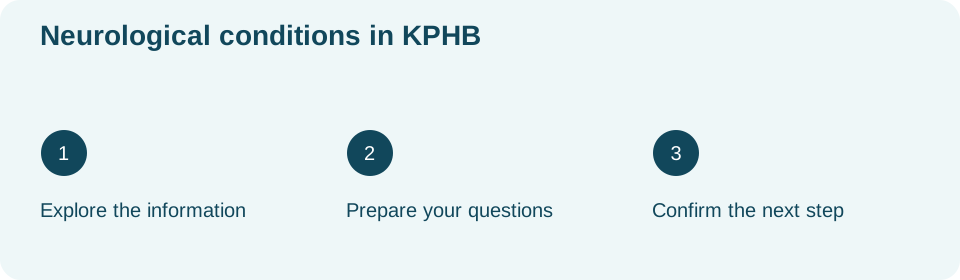
Choose a guide by the concern you want to discuss
The condition directory is a way to organize information before contacting the clinic. It is not a symptom checker and does not assign a diagnosis. Start with the concern that sounds closest to what you want to discuss, then keep a note of any questions. If more than one guide seems relevant, you do not need to decide which condition explains everything before arranging a consultation.
Headache, seizures and balance concerns
The headache and migraine guide introduces questions about recurring episodes, their effect on daily activities and the history to bring. The epilepsy guide covers preparing to discuss events and questions about assessment. The vertigo guide distinguishes the description of spinning from the broader experience of dizziness. These topics can overlap in everyday language, so describe the experience in your own words rather than relying on a label.
Movement, memory, nerves and muscles
The movement-disorder guide helps organize questions about tremor, stiffness and changes in ordinary tasks. The memory guide is intended for patients and family members who want to discuss changes in thinking or everyday activities. The nerve and muscle guide covers concerns such as numbness, tingling and weakness. A clinician considers the history, examination and any appropriate investigations; the directory cannot determine the cause.
Pain, sleep and planned stroke follow-up
Separate guides address neck or lower-back pain, persistent pain and sleep difficulties. Use them to prepare practical questions about the assessment and the next conversation. The stroke guide distinguishes emergency warning signs from planned follow-up. Possible stroke symptoms must not be handled through a routine appointment enquiry. This website does not establish emergency hospital facilities at the clinic.
Understand how the guides connect to services
A condition page may mention tests or support that a clinician could consider. This does not mean every reader needs that investigation or that every treatment is available at this practice. Follow the service links for general information, then confirm your own request with the clinic. Fees, preparation, test timing and current availability should be checked before making travel plans.
Bring the information that matters to you
A short account of the concern, existing reports and a medication list can help you organize questions. Ask staff which documents are needed rather than treating this website as a mandatory intake checklist. If someone is helping you attend, discuss their role and any communication or access needs. The first-consultation guide provides more detailed planning suggestions.
Know the limits of educational content
Each medical guide links to its sources so you can explore the topic further. The material is general information, not a personalized treatment plan. Use the guides to organize questions for your visit and discuss your individual concerns with a qualified clinician. Contact the clinic to confirm appointment timing, preparation and current service availability.
Your next step
Let's talk about your visit.
Call the clinic to confirm appointment timing.